
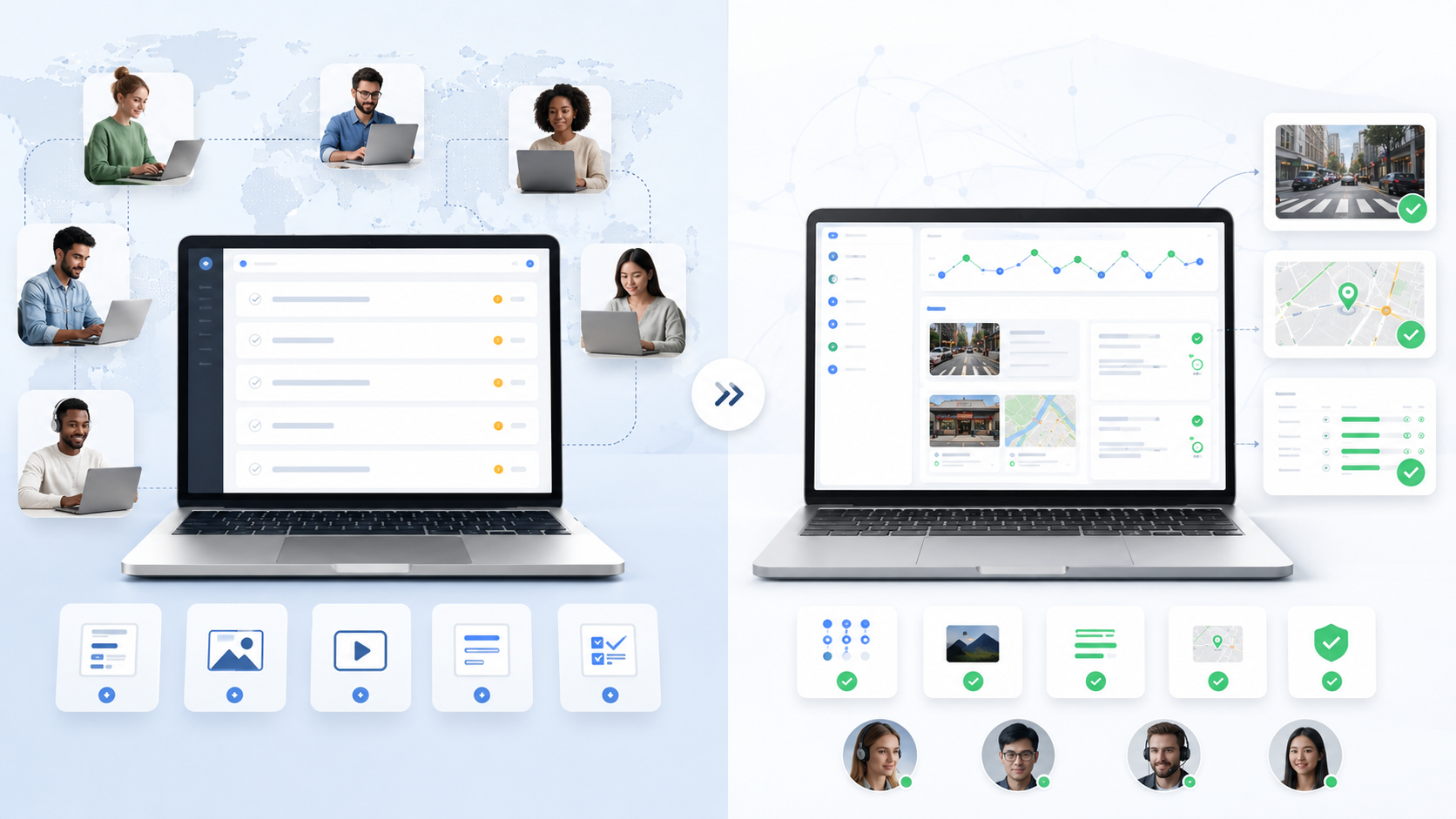
When you need people to complete small online tasks, both TaskerData and Microworkers can connect you with a global workforce. But the platforms are designed with different priorities.
Microworkers is a long-established microtask marketplace where businesses can post small jobs for workers to complete. TaskerData takes a more modern campaign-based approach, with an emphasis on data collection, software testing, promotion, image annotation, and collecting verifiable proof of completed work.
So which platform should you use?
The answer depends on what you need your workers to accomplish.
TaskerData vs Microworkers at a Glance
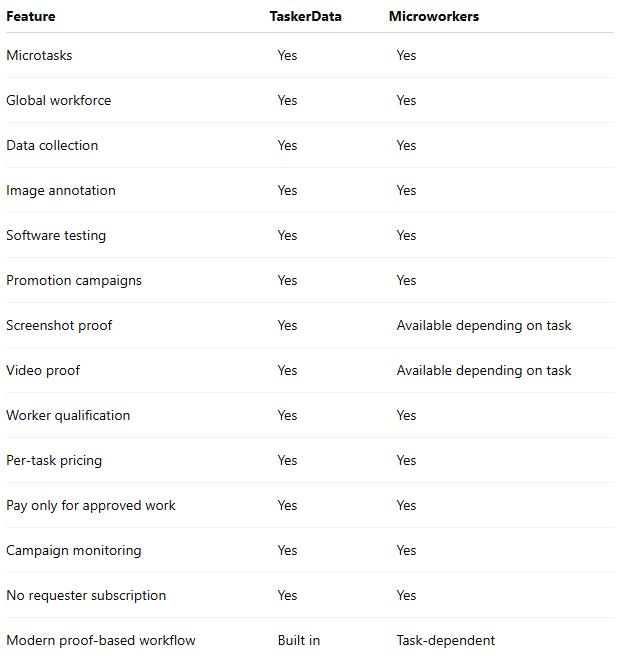
Both platforms can be useful for microtask campaigns, but TaskerData is particularly focused on making proof of completed work part of the campaign workflow.
What Is TaskerData?
TaskerData is a microtask marketplace designed to connect requesters with workers for practical online tasks.
Requesters can create campaigns, define instructions, select the required proof, set a payout per worker, and publish the campaign.
Workers then complete the task and submit evidence such as text, screenshots, video, or form data. The requester reviews the submission and pays for approved work.
Common TaskerData campaign types include:
- Data collection
- Surveys and data validation
- Image annotation
- Software testing
- App testing
- Video promotion
- Social media tasks
- Website testing
- Human-generated data
The platform is designed around a simple workflow:
Create → Fund → Collect submissions → Review → Approve → Pay
This makes TaskerData particularly useful when you don't simply need an answer from a worker — you need evidence that the requested action was actually completed.
What Is Microworkers?
Microworkers is an established crowdsourcing platform where employers can post small online jobs and workers can complete them for payment.
Tasks can cover areas such as:
- Data entry
- Surveys
- Research
- Social media tasks
- Website-related tasks
- App testing
- Content-related work
- Data collection
Microworkers has been operating in the microtask space for many years and has built a large international worker community.
For businesses that already use Microworkers or need access to its established workforce, it can remain a useful option.
TaskerData vs Microworkers: Data Collection
For many modern businesses, the most important question isn't simply whether workers can complete a task.
It's whether you can collect usable, verifiable data at scale.
For example, imagine you're testing an application.
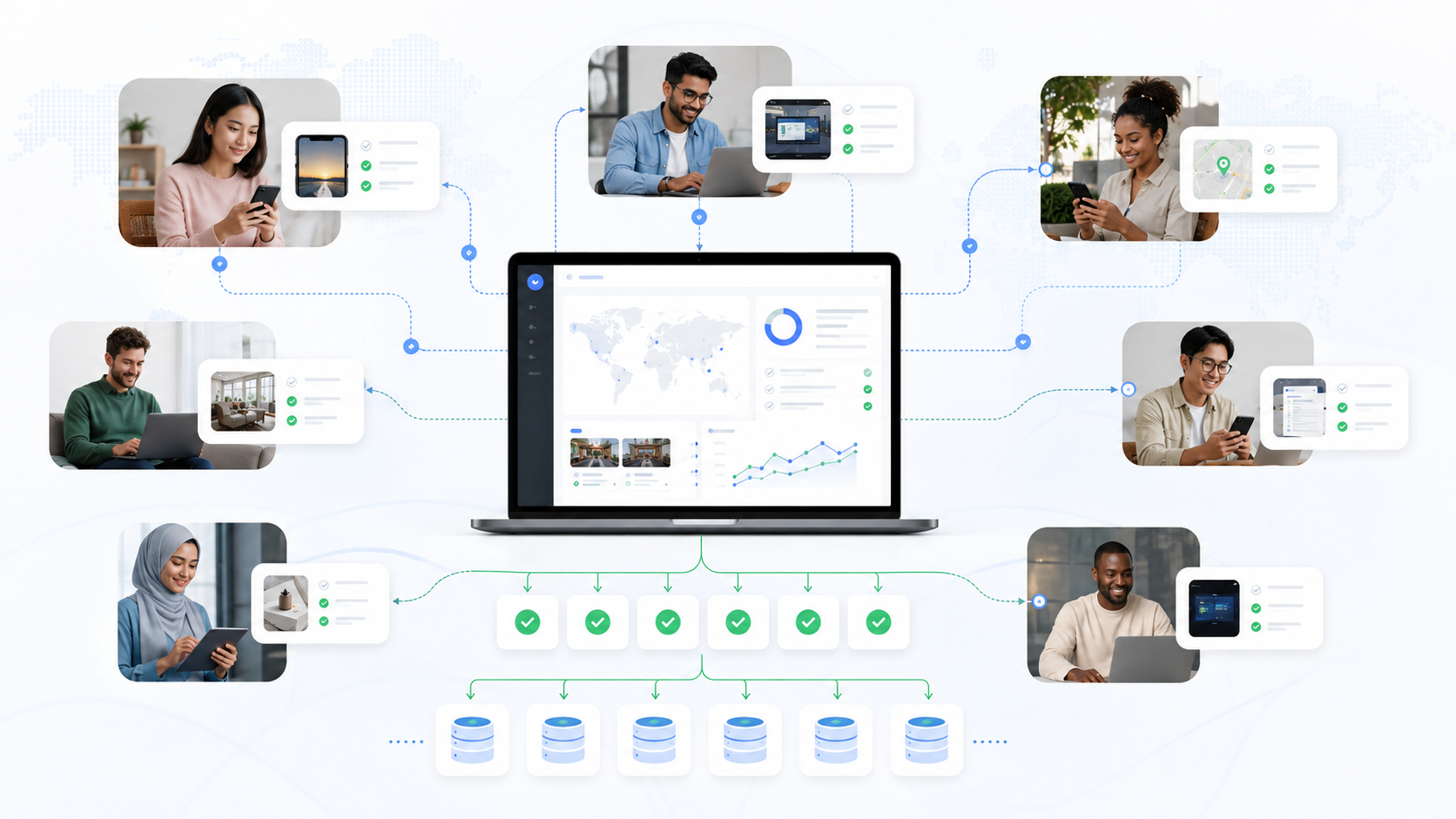
Instead of simply asking:
"Did the app work?"
You can ask workers to:
- Open the application.
- Complete a specific workflow.
- Report the result.
- Upload a screenshot.
- Record a short video if required.
This creates a much more useful dataset than a simple yes/no response.
Microworkers can also be used for data collection and task-based research, but the exact evidence and workflow depend more heavily on how the employer structures the individual job.
Winner for structured proof-based collection: TaskerData
If your project requires screenshots, videos, or other evidence attached to individual submissions, TaskerData's workflow is designed around that requirement.
TaskerData vs Microworkers: Worker Quality
Worker quality is critical for crowdsourcing projects.
A large workforce doesn't automatically mean high-quality results. Requesters need mechanisms for screening workers and reviewing submissions.
TaskerData allows requesters to create qualification tests and review submissions before approving payment.
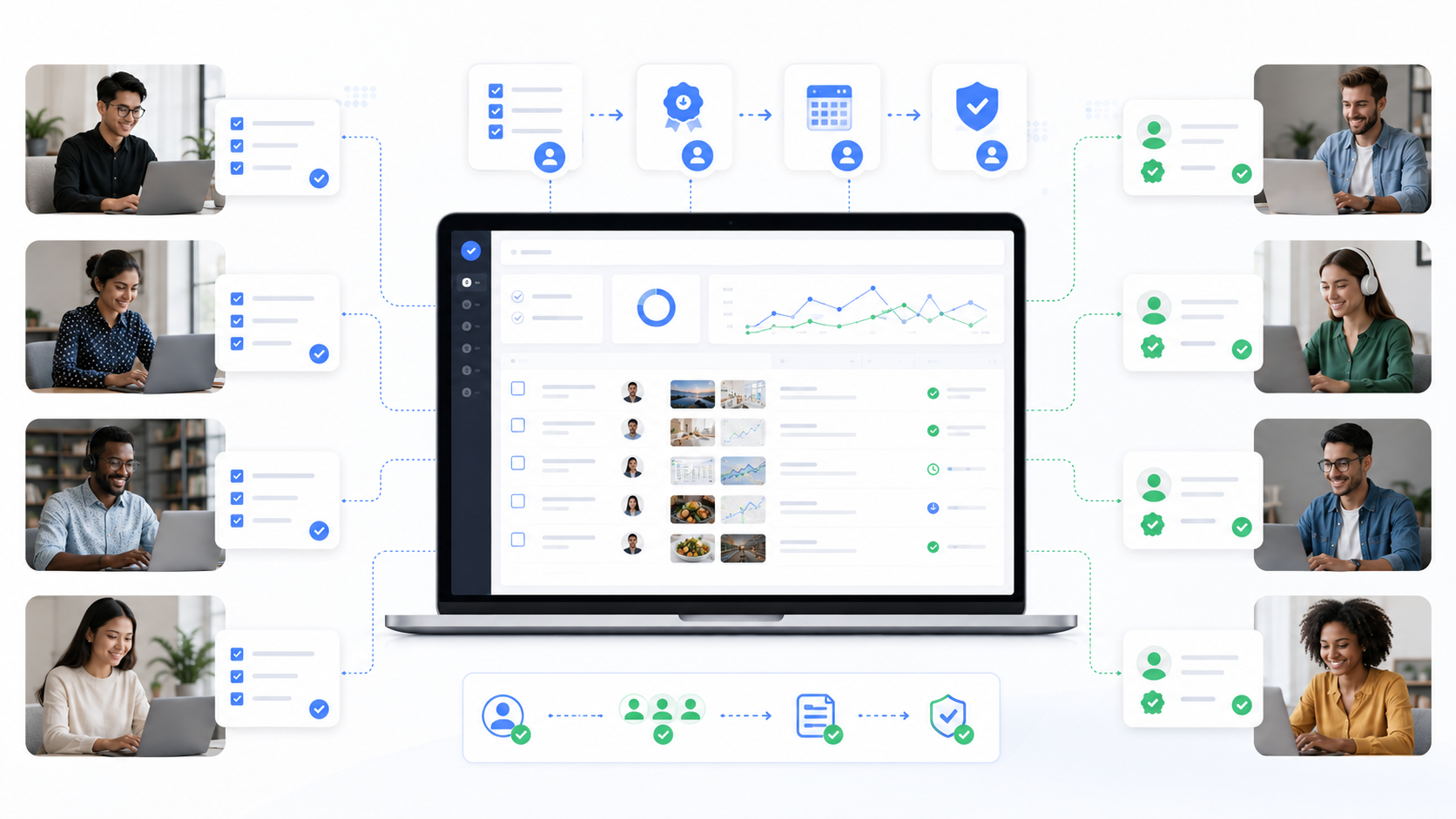
This can be useful for projects where workers need to meet certain requirements before performing the main task.
For example, a requester collecting product images could first test whether workers understand the image requirements before allowing them into the main campaign.
Microworkers also provides mechanisms for employers to define requirements and evaluate completed work.
Winner: Depends on your project
Microworkers has the advantage of being a mature platform with an established workforce.
TaskerData focuses more heavily on the campaign → proof → review workflow.
TaskerData vs Microworkers: Pricing
Pricing is one of the biggest differences to consider.
TaskerData currently charges requesters a 10% platform fee on worker payouts plus a $2 campaign fee. The platform states that requesters only pay for approved work.
For example, if workers receive $500 in total approved rewards:
Worker rewards: $500
TaskerData platform fee: $50
Campaign fee: $2
Total: $552
Microworkers has its own employer fees and pricing structure, so requesters should check the current pricing directly before launching a large campaign.
The important point is that you should compare the total project cost, not simply the worker reward.
A platform with a lower-looking task price can become more expensive once platform fees, rejected submissions, verification, and additional workflow costs are included.
TaskerData vs Microworkers: Proof of Work
This is one of the most important differences.
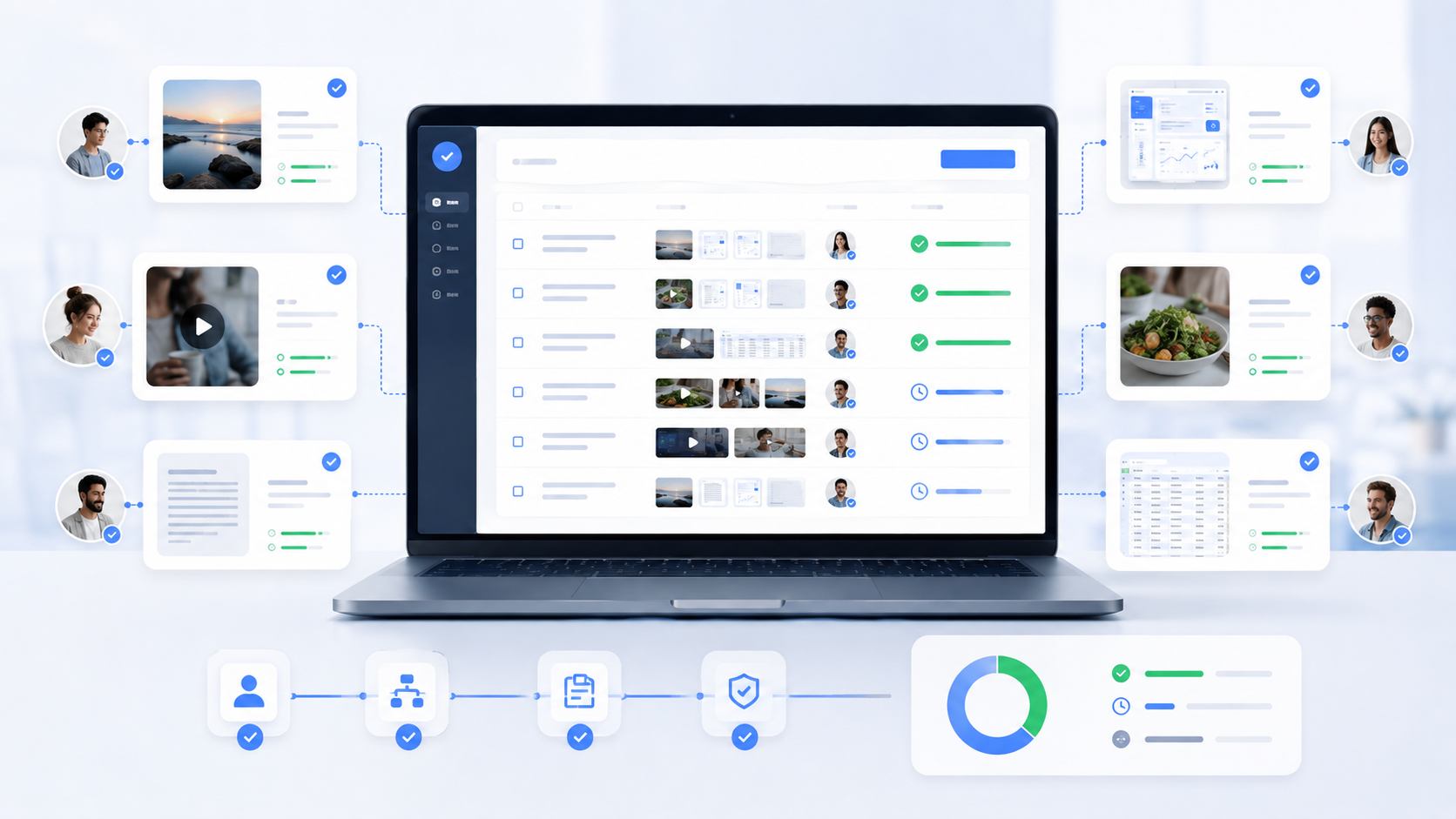
TaskerData explicitly supports multiple proof types, including:
- Text
- Screenshots
- Video
Requesters can choose the proof required when creating their campaign.
This makes the platform useful for tasks where simply receiving a text answer isn't enough.
For example:
Website testing
Instead of:
"Was the checkout working?"
You could require:
Complete checkout → describe the result → upload a screenshot.
Or:
Search verification
Search for the specified phrase → locate the result → submit a screenshot showing the result.
Or:
AI data collection
Complete the task → provide the requested data → upload the required evidence.
This proof-based workflow can make manual quality control considerably easier.
Winner: TaskerData
For campaigns where evidence is an important part of the result, TaskerData has a clear focus on this workflow.
TaskerData vs Microworkers: Which Tasks Can You Run?
Both platforms support a broad range of microtasks, but TaskerData is positioned toward several use cases that are increasingly important for businesses.
TaskerData
Particularly suitable for:
- Human data collection
- AI training data
- Image annotation
- Software testing
- App testing
- Website testing
- Surveys
- Data validation
- Video promotion
- Social media campaigns
- Screenshot-based tasks
- Video-based tasks
Microworkers
Particularly suitable for:
- Traditional microtasks
- Data entry
- Research
- Surveys
- Website tasks
- Social media tasks
- Data collection
- Small repetitive online jobs
Neither platform is universally better.
The right choice depends on the type of work you're outsourcing.
TaskerData vs Microworkers: Ease of Launching a Campaign
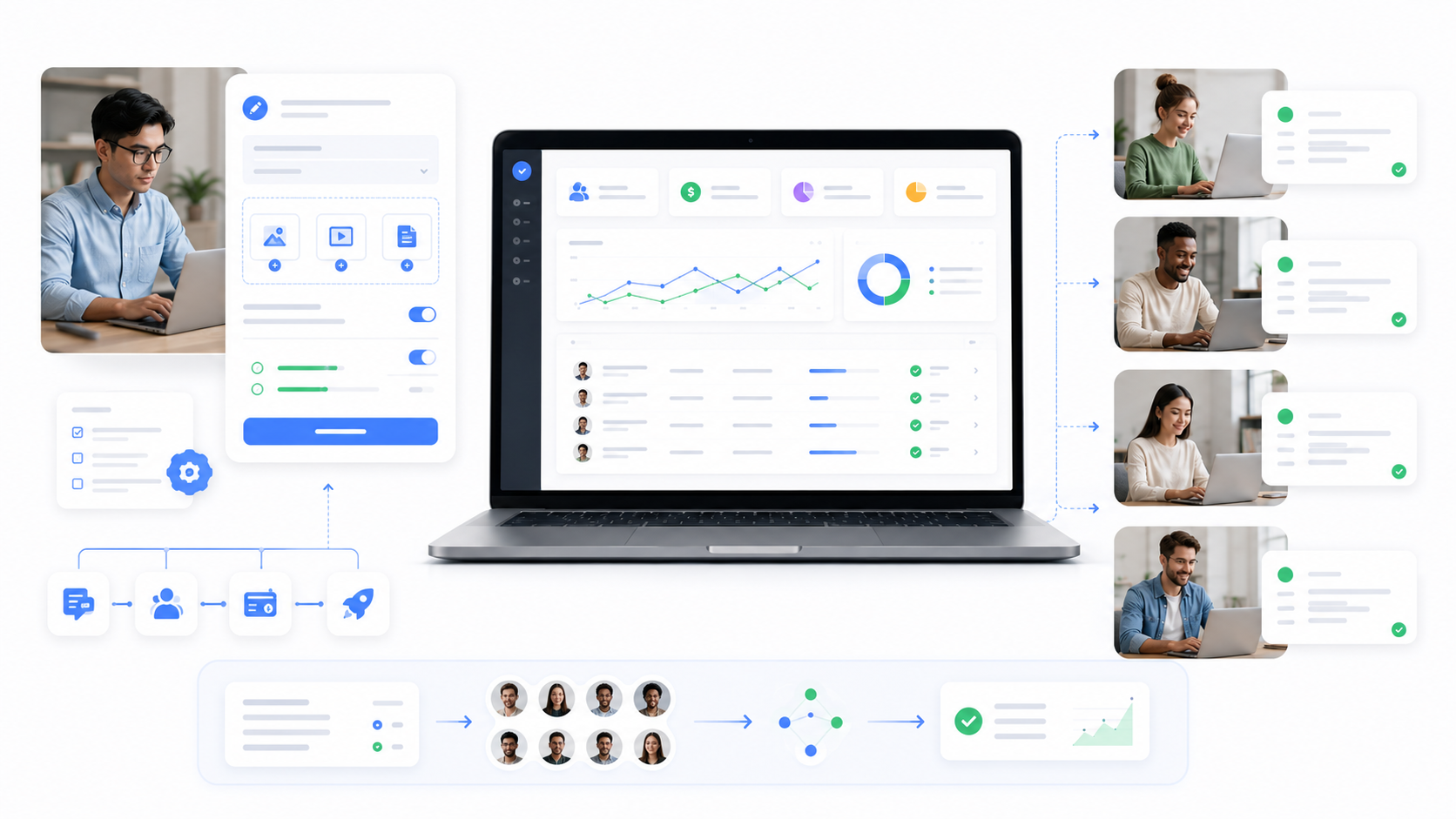
TaskerData is designed around a straightforward campaign workflow.
A requester can define:
- The task
- Instructions
- Target number of workers
- Worker payout
- Required proof
- Qualification requirements
Then launch the campaign.
The requester dashboard is designed to let you monitor submissions and review work as it arrives.
This is especially useful for projects where you want to start with a small batch, evaluate the results, and then scale.
Which Platform Should You Choose?
Choose TaskerData if you need:
- Human data collection
- Screenshot or video proof
- Software or app testing
- Image annotation
- Data validation
- Promotion campaigns
- Flexible microtask campaigns
- A straightforward requester workflow
- Payment based on approved submissions
Choose Microworkers if you need:
- An established microtask marketplace
- A large, long-running worker ecosystem
- Traditional online microtasks
- A platform you already have an existing workflow with
The Bottom Line
Microworkers is an established name in the microtask industry and remains a viable option for businesses that need workers to complete small online jobs.
TaskerData takes a somewhat different approach.
Rather than focusing only on distributing microtasks, TaskerData puts more emphasis on campaigns, proof of work, review, and practical data collection.
If your project is something like:
"Ask 500 people a question"
either platform may work.
But if your project is:
"Have 500 people use our website, complete a specific workflow, answer questions, and submit screenshots showing the results"
a proof-based platform such as TaskerData can be a better fit.
Ultimately, the best platform is the one that matches your workflow.
If you need a flexible workforce for data collection, testing, annotation, promotion, or other tasks where proof matters, TaskerData is worth considering.
Start Your First Campaign
Ready to test your project with real workers?
Create a TaskerData requester account, define your task, choose your required proof, set your worker payout, and launch your first campaign.
Start collecting real-world data with TaskerData.